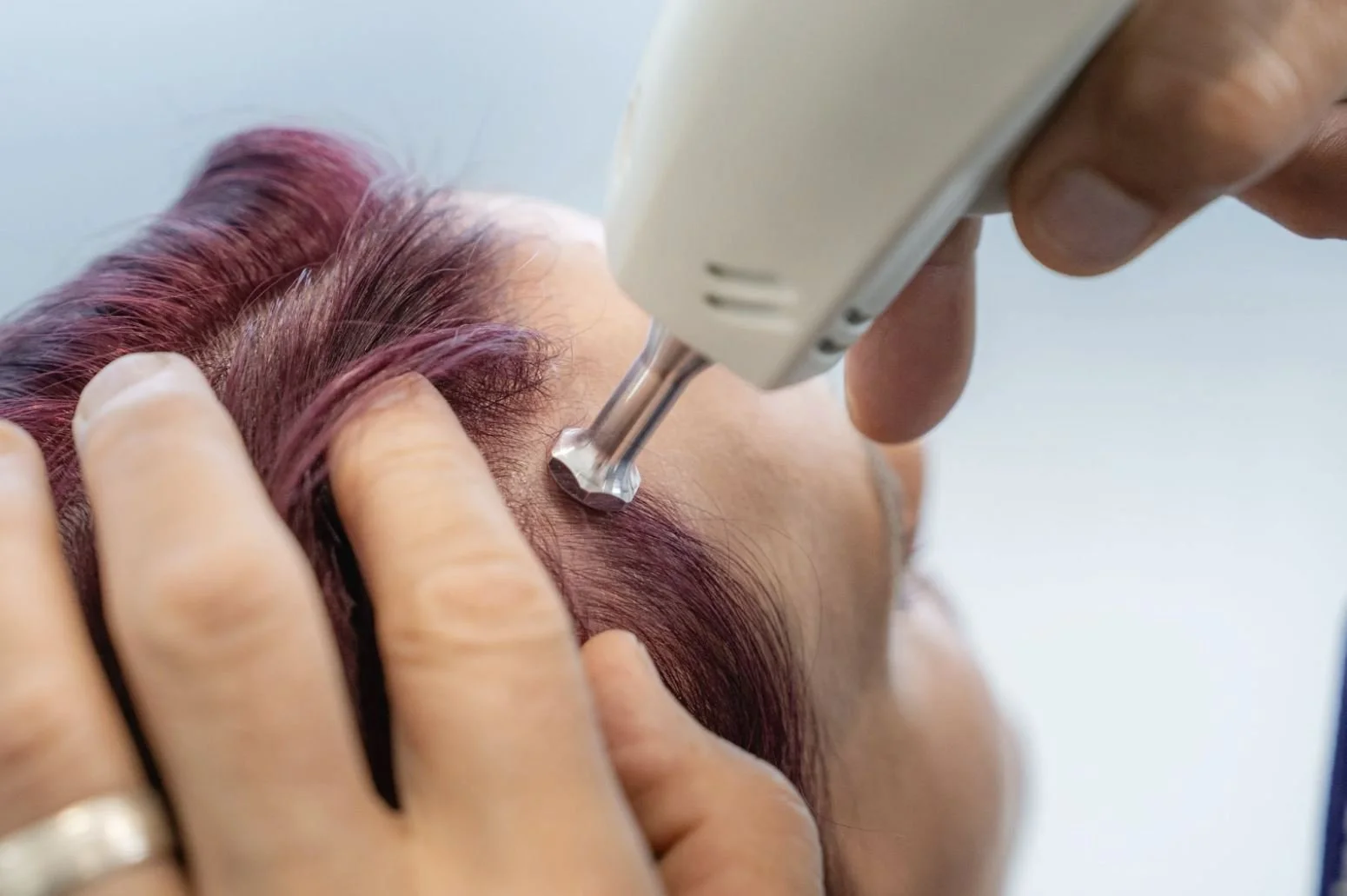
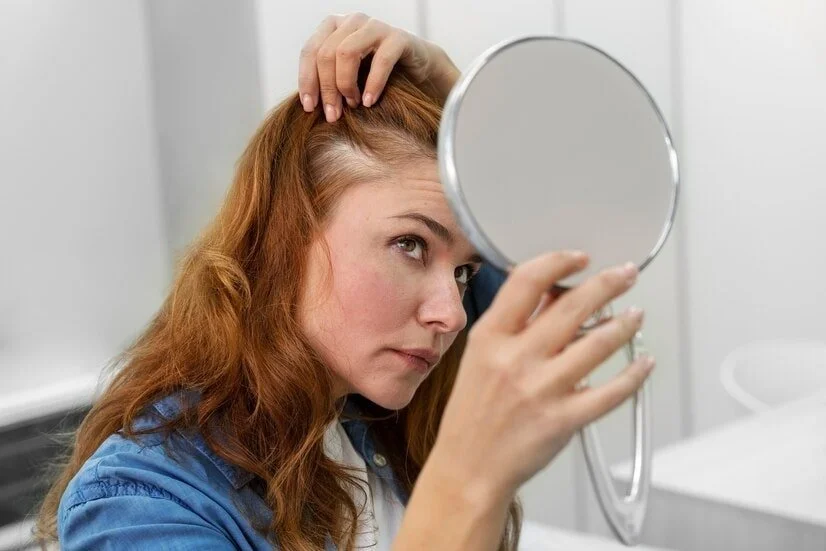
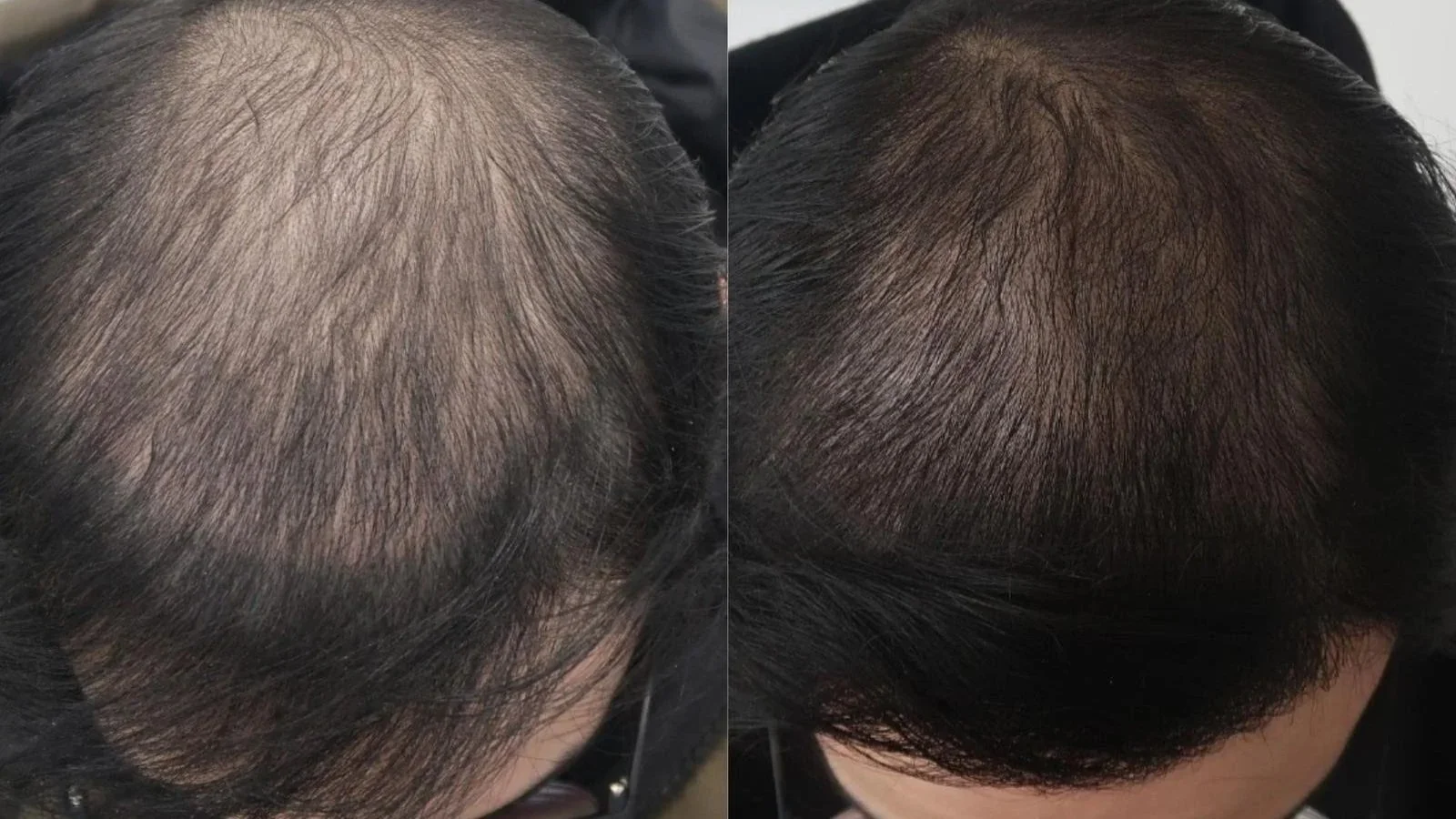
Hair loss is something that affects countless people worldwide, regardless of gender, lifestyle or genetics. There are many different reasons why people lose their hair, and in 2024, there are many hair loss treatments that are effective for regrowing what you’ve lost.
Treatment Options To Consider In 2024
We’ll explore just a few of the treatments we offer here at The Hair Clinic for our valued New Zealand clients. Although, as we review each treatment, please be aware that there’s no guarantee that every treatment will result in the results you hope for. It’s very important to approach hair regrowth with a positive yet realistic mindset.
The treatments we offer come from a grounded medical perspective. We’ll work with you to find a feasible approach based on your personal circumstances.
So, let’s begin with a few of the modern hair loss treatments we provide for our clients:
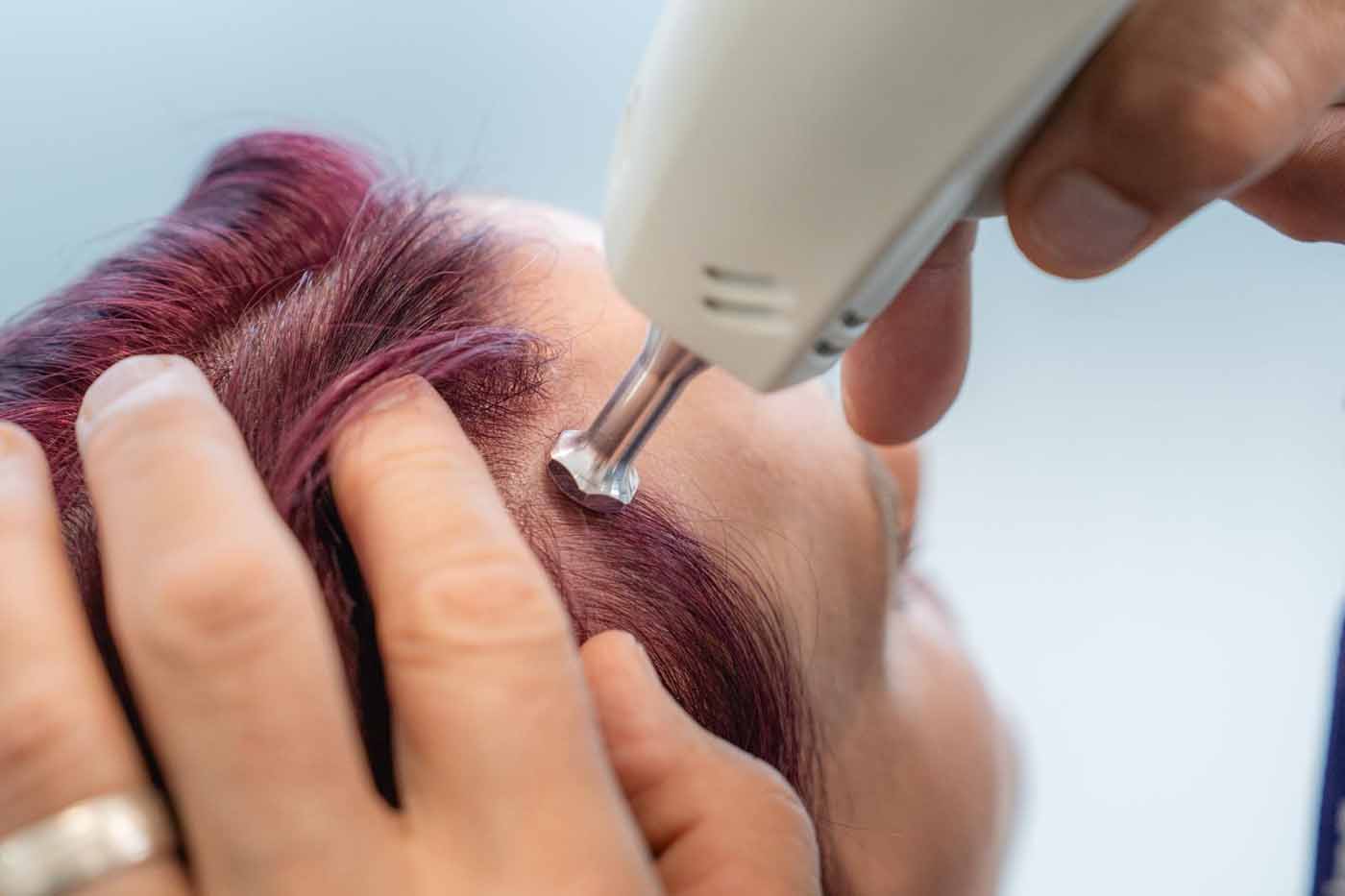
PRP Platelet Rich Plasma And Microneedling. Platelet Rich Plasma, which is often shortened to just PRP, therapy has garnered significant attention for its role in accelerated wound healing and prompt tissue regeneration. While this method was originally used for surgical applications, it’s now a popular hair loss treatment.
This procedure starts with drawing some blood, then processing it to concentrate the platelets in the blood, and then re-injecting it as platelet-rich plasma into the patient’s scalp to promote hair regrowth. The PRP will contain growth factors, which can then stimulate hair follicles.
Microneedling is a procedure that’s often combined with PRP, and it involves tiny needle pricks that create micro-injuries in the scalp. These tiny injuries then trigger a healing response, which can enhance the effectiveness of PRP treatment.
At The Hair Clinic, we offer different levels of PRP depending on the circumstances that the client is facing. During our initial consultation, if you’re interested in this particular treatment, we’ll discuss your situation to determine the right level of PRP that would work for you.
PepFactor Hair And Microneedling. PepFactor is a blend of peptides and nutrients that are meant to promote hair growth and hair health. This blend works by stimulating the signalling proteins that encourage the growth, and regeneration, of new tissues in the hair and the scalp.
This hair loss treatment involves multiple tiny injections into the mesodermal layer of tissue right under the scalp skin. It may promote papilla cell proliferation, increase the size of the hair follicles and stimulate the hair by inducing the Anagen phase – this is the active stage of the hair growth cycle.
Topical Hair Growth Solutions. If you’re looking for a non-invasive solution that doesn’t require any kind of injection or surgery, consider topical hair growth solutions. We offer premium-quality topical hair loss treatments, such as NANOXIDIL®, which is an improved version of Minoxidil®. This water-based product enhances hair density, thickness and volume.
If you’re interested in this option, we’ll discuss how to use our available solutions and any positive and adverse effects you may experience by using them.
Hair Transplants And Pre And Post PRP Treatment. Hair transplants remain one of the most effective and popular solutions for various types of hair loss. This surgical solution involves harvesting hair follicles or scalp skin from the back of the head and transplanting them to the areas affected by hair loss.
Along with the procedure itself, PRP therapy is an excellent choice to work in tandem with hair transplants. PRP can be used both before and after hair transplant surgery to enhance the chances of success and to maintain and stimulate the growth of the transplanted hair.
Understanding The Limits Of Hair Loss Treatments And Managing Expectation
As mentioned above, it’s extremely important for all clients to remember that there’s no guarantee that any treatment will work. While our team works hard to find the right procedure for each of our clients, you should stay realistic and manage your expectations. Factors such as the extent of the hair loss, individual response to treatment and the underlying causes of hair loss can influence the response you get from the treatment you receive.
So, our professionals will be sure to speak to you about your lifestyle, genetics, potential causes of your hair loss and more to discover the best course of action for you. We encourage you to be completely honest with us during our consultations so we can effectively help you.
Additionally, we’ll also discuss other ways you can improve your hair regrowth alongside your treatments. Steps like improving your diet, taking appropriate supplements, reducing stress when possible and more may help enhance your results.
Starting Your Journey Towards Hair Regrowth And A Happier You
The treatments listed here are just a handful of the many we offer at The Hair Clinic; for a full list, we encourage you to visit our website. If you’d like to get the process started, our website also has a convenient online test that you can complete to tell our doctors about your situation. Please know that this test is completely confidential and obligation-free.
Or, you can call our team on (09) 523 5999 to speak to us.
The Hair Clinic: Find the right medically-based hair loss treatment for you.