How to Support Hair Regrowth with a Balanced Diet
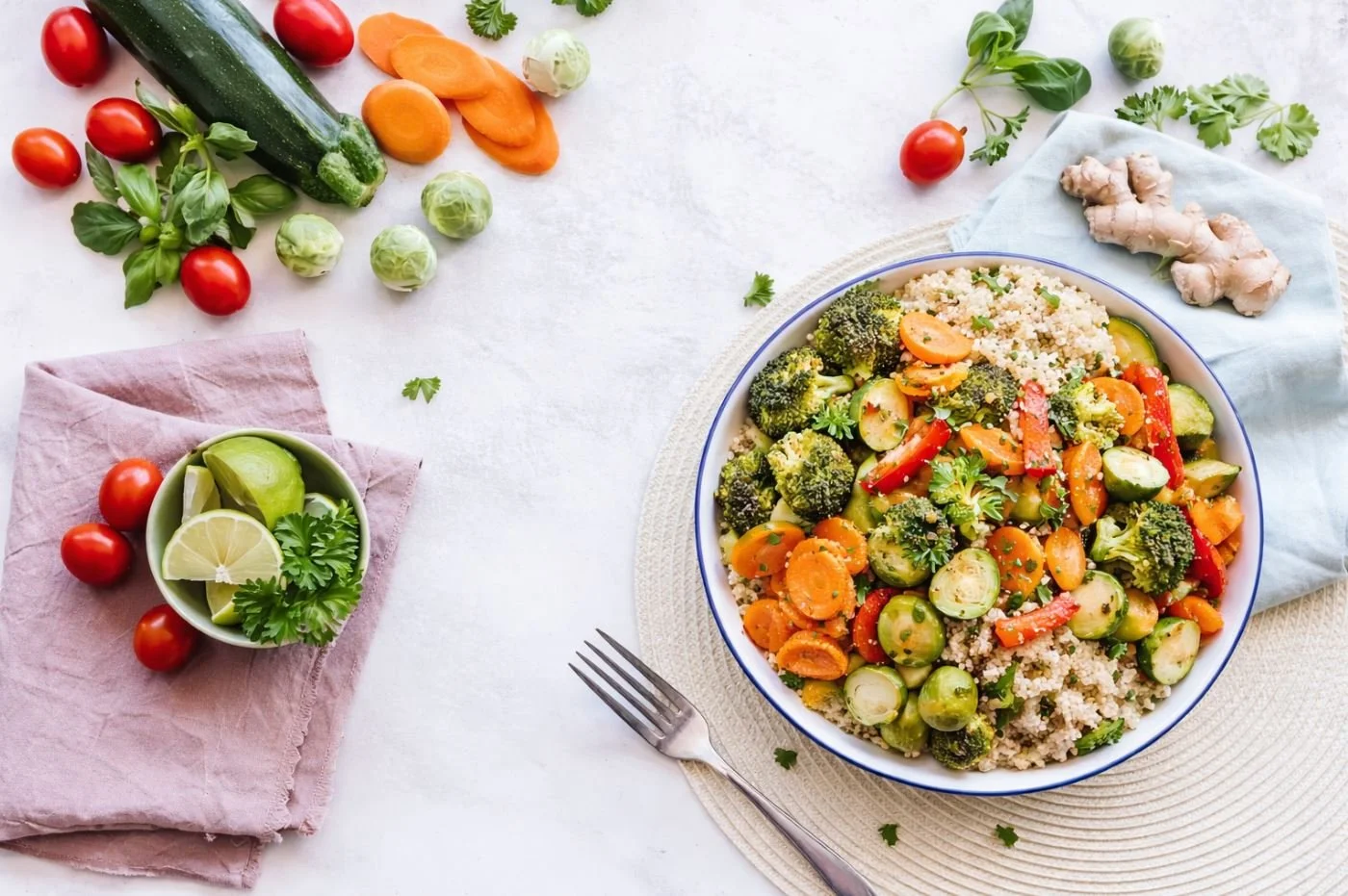
Healthy diet to encourage hair growth
Hair loss can be a deeply upsetting experience for many people. We understand just how emotional it can be. While we offer advanced treatments like PRP and GFC to stimulate regrowth, we also believe in a holistic approach. Good nutrition and healthy habits create a strong foundation for scalp and follicle health, helping treatments work at their best.
A well-balanced diet provides the raw materials hair follicles need. Hair is largely made of the protein keratin, and it needs vitamins and minerals as building blocks. Many lifestyle factors can trigger shedding or thinning such as stress, illness or sudden changes can push hairs into a resting phase (telogen effluvium). By contrast, choosing nourishing foods helps protect follicles.
In fact, studies show that lacking key nutrients can weaken hair and even accelerate loss. Diets low in essential vitamins (D, B12, C, A, biotin) or minerals (iron, zinc, selenium) have been linked to hair thinning. Eating a variety of whole foods ensures your scalp and follicles get what they need. Below are some of the most important nutrients and their food sources:
Protein: Hair follicles are built from protein (keratin), so adequate protein intake is vital. Lean meats, poultry, fish, eggs, beans and legumes supply protein and iron. Iron carries oxygen to hair cells, so iron-rich foods like lean red meat, spinach or lentils support growth. (Iron deficiency anaemia can make hair shed faster.) Eggs are a great example: they pack protein and the B-vitamin biotin, which is often promoted for hair. Biotin helps form keratin and may improve hair growth in people with deficiency.
Healthy Fats (Omega-3): Fatty fish such as salmon, mackerel or sardines, as well as flaxseeds, walnuts and chia, provide omega-3 fatty acids. These fats have anti-inflammatory effects and may help protect the scalp from oxidative stress. In short, omega-3’s nourish skin and scalp, potentially improving hair shine and strength.
Vitamin C and Antioxidants: Fruits and vegetables high in vitamin C (berries, kiwi, oranges, peppers) are important. Vitamin C helps produce collagen, a protein that strengthens hair strands, and improves iron absorption. For example, one cup of strawberries can more than meet your daily vitamin C needs. Strong antioxidant foods (berries, leafy greens, citrus fruits) help protect follicles from free-radical damage.
Vitamin A: Leafy greens, carrots, sweet potatoes and pumpkins are rich in beta-carotene, which the body converts to vitamin A. Vitamin A helps the scalp produce sebum, an oily substance that moisturises hair and keeps it healthy. A vitamin A deficiency can lead to a dry, flaky scalp and poor hair growth.
Vitamins D and B-complex: Vitamin D (from sun exposure or fortified foods) and B vitamins (like B12, folate, riboflavin) support cell growth and circulation. Deficiencies in D and B12 can be linked to hair loss. While supplements aren’t always needed if your diet is balanced, low levels of these nutrients should be corrected under a doctor’s advice.
Zinc and Selenium: These minerals are crucial for hair structure and hormone regulation. Shellfish, meat, nuts and seeds provide zinc. Zinc helps make keratin and support the hair growth cycle. Selenium (found in Brazil nuts, whole grains) keeps the thyroid gland healthy. An underactive thyroid can cause thinning hair.
Biotin (Vitamin B7): Eggs, nuts and whole grains supply biotin. Biotin deficiency is rare, but when it occurs, supplementation can improve hair growth. Eat eggs (especially yolks), nuts or legumes to cover your bases.
Water: Hydration is often overlooked. Adequate fluid intake keeps the scalp hydrated. Aim for about 2 litres a day or more if you’re active or in a hot climate.
Each nutrient plays a role in the hair's growth cycle. If you eat a varied, balanced diet rich in whole foods, you’re unlikely to have major deficiencies, but focusing on these hair-friendly foods is still wise.
Avoid excessive supplementation of single nutrients. Too much vitamin A or selenium may actually cause hair loss. Instead, focus on a balanced mix.
Combining Nutrition with PRP/GFC Treatments
At The Hair Clinic, we help patients tackle hair thinning with in-clinic therapies like PRP (Platelet-Rich Plasma) and GFC (Growth Factor Concentrate). These treatments are typically offered in packages of six sessions, spaced about a month apart, and work by stimulating hair follicles using your body’s own growth factors.
PRP involves drawing a small amount of your blood, concentrating the platelets, and injecting them into the scalp to increase blood flow and encourage new growth. GFC works on a similar principle, using growth factor-rich plasma to activate dormant follicles.
To make these treatments even more effective, we focus on nutrition. Our PRP Plus Mesotherapy combines PRP with peptides, vitamins and hyaluronic acid delivered directly to the scalp. Even outside the clinic, products like Revita shampoo, Nanoxidil sprays and regular scalp massage can help improve circulation and support regrowth.
GFC treatments also benefit from having the right “building blocks” in the body. That’s why we often pair them with supportive therapies like topical minoxidil or oral medication when appropriate.
It’s important to know: no treatment is a miracle cure. Results vary depending on how early the hair loss is caught, your genetics and your overall health. Some people see thickening, while others may notice only subtle gains. That’s why we focus on setting realistic expectations.
Online Hair Growth Consultation
Putting It All Together
Supporting hair regrowth takes a combination of good nutrition, consistent habits, and targeted treatments. A balanced diet gives your follicles the nutrients they need, creating a strong foundation for therapies like PRP, GFC, or exosome treatments. You can learn more about Exosome Hair Therapy.
Hair restoration takes time and support. With the right treatments and a healthy routine, you give your hair the best chance to grow and regain your confidence.
Are you considering regenerative hair treatment? You can begin with a confidential online consultation here: Online Hair Growth Consultation