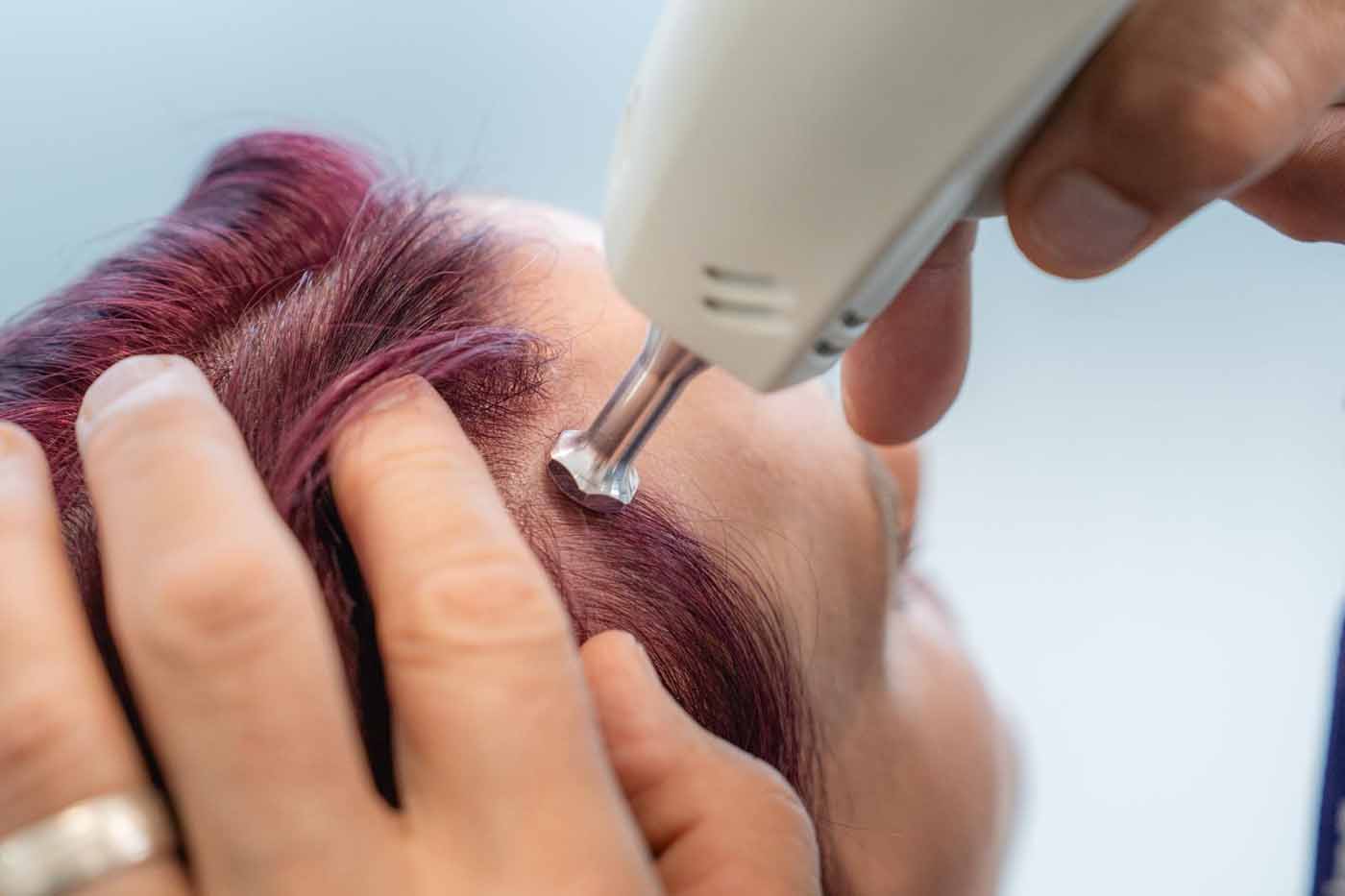
Hair transplant surgery can be an excellent option for the right patient, but surgery alone is rarely the full story. The health of the scalp before surgery, the condition of the surrounding hair, and the support given to newly transplanted grafts afterwards can all influence the final outcome.
This is where regenerative treatments have become increasingly relevant. Patients often assume that once a transplant is booked, nothing else matters. That is rarely true. A well-planned transplant journey often includes support before and after surgery to help optimise scalp condition, reduce inflammation, and improve the environment into which grafts are placed.
Why Transplant Support Matters
Hair transplantation moves follicles from one zone to another, but it does not change the biology of the scalp itself.
If the surrounding scalp is inflamed, circulation is poor, or adjacent native hairs are actively miniaturising, the final result may be less stable than the patient expects. This is one reason transplant support is important. We are not only thinking about the grafts. We are also thinking about the scalp environment and the long-term appearance of density around them.
The strongest outcomes usually come when surgery is approached as one stage within a broader hair restoration plan.
Before Surgery: Preparing The Scalp
Before transplant surgery, treatment planning often focuses on three questions:
- Is the scalp healthy enough for graft placement?
- Are surrounding hairs stable, or still miniaturising?
- Is there inflammation or ongoing shedding that may compromise the result?
PRP Before Surgery
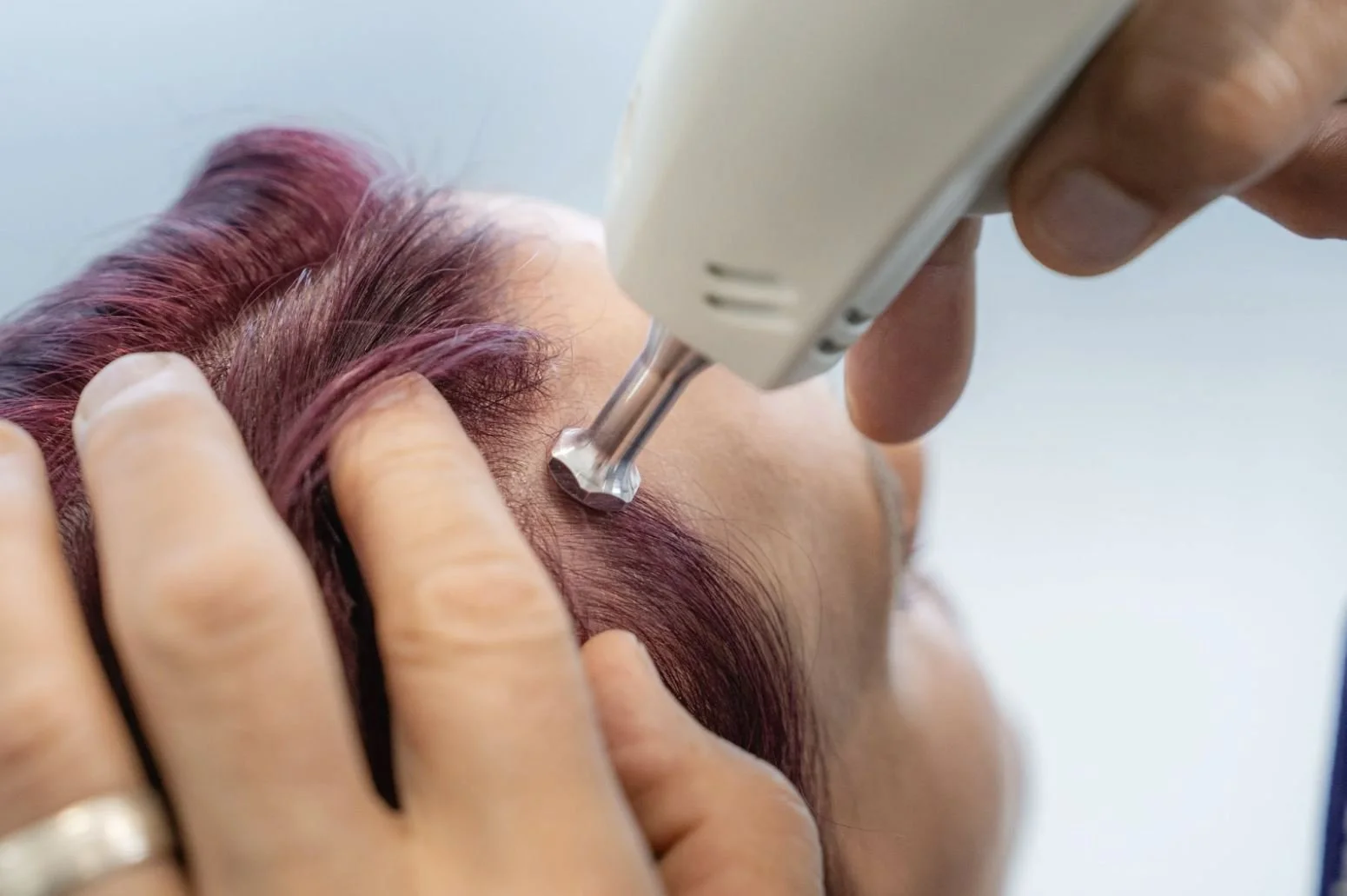
PRP can be used pre-operatively to improve circulation and support follicle activity in the scalp. In selected patients, this helps prepare the tissue environment and supports surrounding native hairs that may still be thinning.
PRF Before Surgery
PRF hair restoration is often valued for its slower release of growth factors and prolonged signalling. When scalp quality is poor or tissue support is needed over a longer period, PRF can be a useful part of pre-transplant planning.
GFC Before Surgery
GFC hair therapy is another option when a stronger regenerative signal is wanted before surgery. In patients with weakened surrounding hair, it may be used to improve the broader scalp environment rather than focusing only on the transplant zone itself.
These treatments can be appropriate when the scalp needs support before graft placement.
After Surgery: Supporting Graft Survival And Recovery
Once a transplant has been performed, the focus shifts.
The main goals after surgery are:
- reducing scalp stress and inflammation
- supporting wound healing
- encouraging graft take
- improving the environment for longer-term density
PRP After Surgery
PRP is commonly used after transplant surgery to support healing and circulation. It may help strengthen the scalp environment during the early stages of graft recovery and support native hairs nearby.
PRF After Surgery
Because PRF releases growth factors more gradually, it is often considered when sustained support is useful during recovery. It can fit well into staged post-transplant planning where healing and tissue regeneration need to be supported over time.
GFC After Surgery
GFC may also be used as part of post-transplant care, particularly where a concentrated regenerative signal is desired. In some patients, it becomes part of a structured maintenance plan after the initial surgical healing phase.
For patients already familiar with regenerative treatment categories, our published article explaining PRP, PRF & GFC offers a useful comparison between these options.
Where Exosomes Fit Best
Exosome hair therapy is often considered when inflammation control, scalp signalling and tissue recovery are key concerns.
Exosomes work differently from platelet-based therapies. Rather than simply delivering growth factors from blood components, they act as signalling messengers that may help regulate inflammation and support cellular communication.
In transplant settings, this can be particularly useful where the scalp needs support before healing has settled or where there is concern about inflammatory disruption to the recovery process.
Exosomes are also relevant in patients whose surrounding scalp shows signs of stress, sensitivity or ongoing shedding.
What These Treatments Can Improve And What They Cannot
This is where expectation setting becomes critical.
Regenerative support around a transplant may help:
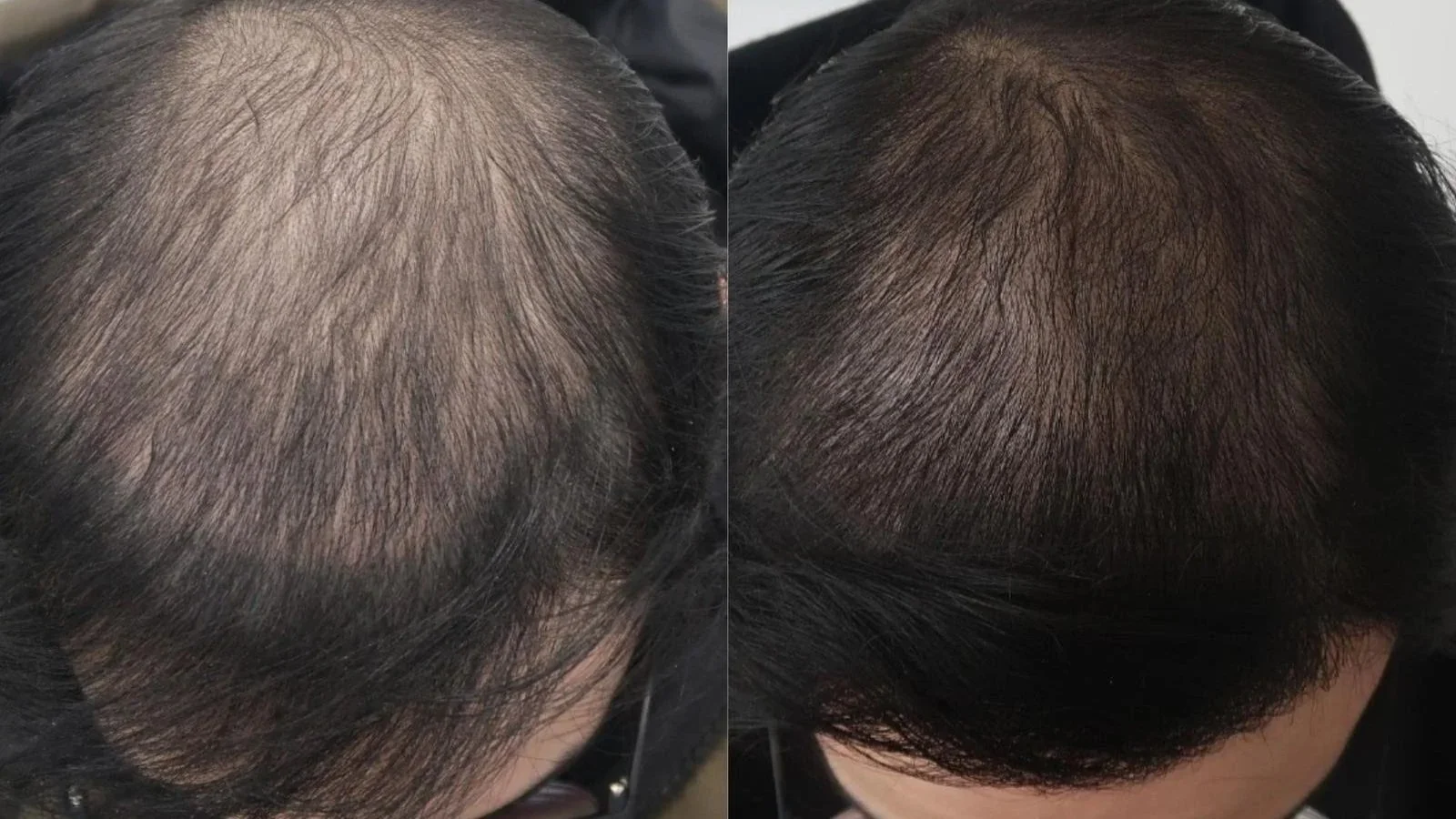
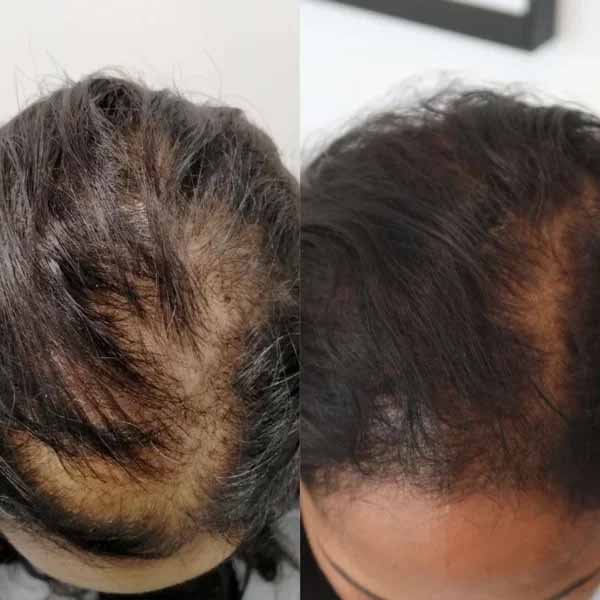
- improve scalp quality
- support healing
- reduce inflammation
- strengthen surrounding native hair
- support graft survival and integration
What these treatments do not do is guarantee graft take, replace surgical technique, or make a poorly selected transplant candidate into a good one.
They are supportive tools, not substitutes for sound surgical planning.
How Transplant Support Differs From Early Non-Surgical Hair Loss Treatment
This is an important distinction.
In early non-surgical hair loss, regenerative therapies may be used with the goal of slowing miniaturisation and encouraging regrowth. In transplant patients, the role is broader. It includes tissue support, inflammation control, preservation of native hair and post-operative maintenance.
The treatment may be similar, but the purpose is different.
That is why I would not treat transplant support as a generic add-on. It needs to be matched to the stage of surgery, the condition of the scalp and the pattern of ongoing loss around the grafted area.
Why Staged Follow-Up Matters
Hair restoration is rarely complete after one milestone.
A transplant patient may need:
- pre-operative scalp assessment
- staged support after surgery
- review of surrounding native hair loss
- ongoing maintenance where miniaturisation continues outside the grafted zone
Patients navigating this decision often also benefit from our online hair growth consultation, especially if they are still trying to work out if they are better suited to early regenerative treatment, transplant referral, or a staged combination of both.
Choosing The Right Time For Support
Not every transplant patient needs every regenerative therapy. The right combination depends on:
- stage of surgery
- scalp health
- inflammatory activity
- native hair stability
- overall treatment goals
When used thoughtfully, PRP, PRF, GFC and exosomes can play a very useful role before and after surgery. They support the environment in which hair grows, heals and stabilises. The strongest outcomes usually come from planning the transplant as part of a broader, medically guided restoration journey rather than treating surgery as the entire answer.