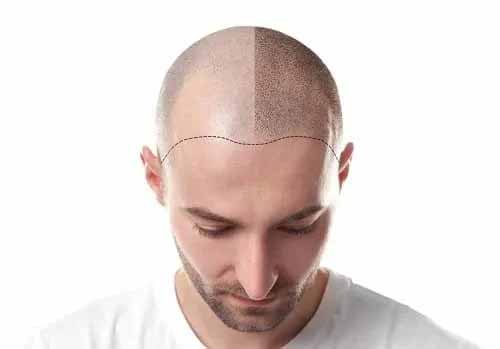
When people begin noticing thinning hair, the natural instinct is to focus entirely on the hair itself. Many assume the issue lies solely with the follicles producing the strands. In reality, the health of the scalp plays a much larger role in hair growth than most people realise.
Hair follicles do not operate in isolation. They exist within a complex environment that includes blood supply, immune activity, skin health and biochemical signalling. When this environment becomes compromised, even healthy follicles may struggle to produce strong, consistent hair growth.
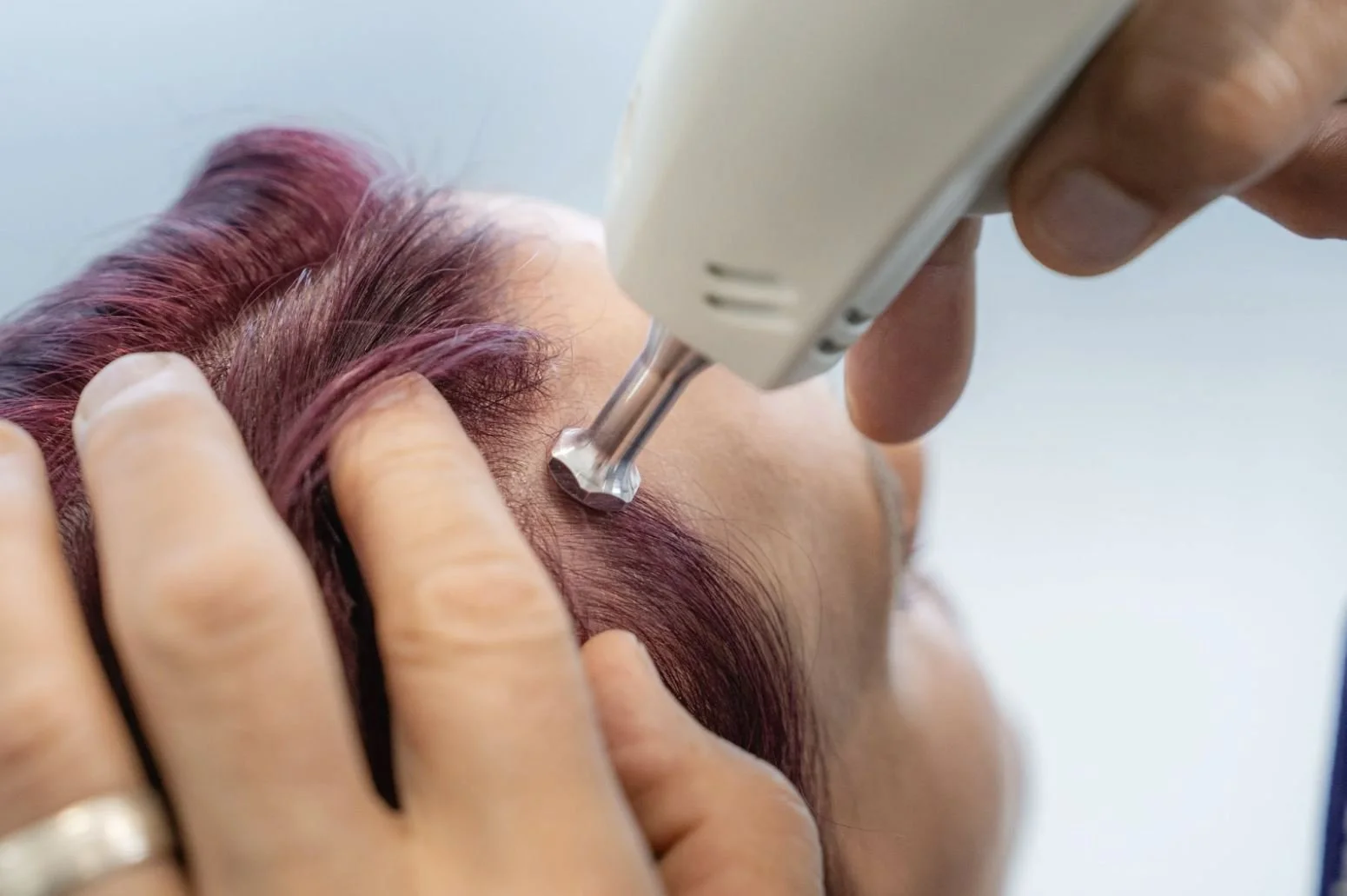
At The Hair Clinic, scalp condition is one of the first factors assessed during a hair loss consultation, because addressing the scalp environment often determines whether treatments succeed or stall.
The Scalp Is the Foundation of Hair Growth
Healthy hair begins with a healthy scalp. Each hair follicle sits within the scalp tissue and relies on that surrounding environment for nutrients, oxygen and cellular signalling.
Several key factors influence how well follicles perform.
Blood circulation
Hair follicles require a steady supply of oxygen and nutrients delivered through the bloodstream. Reduced circulation can limit the follicle’s ability to remain in the active growth phase.
Inflammation levels
Chronic inflammation around follicles can interfere with hair growth signals and may gradually weaken follicle activity over time.
Skin barrier health
The scalp functions as skin, and like the skin on the face, it must maintain a balanced protective barrier. When this barrier becomes disrupted, irritation and follicle stress can develop.
Microbiome balance
The scalp contains a natural ecosystem of micro-organisms that help regulate skin health. When this balance shifts, it can contribute to irritation and inflammatory scalp conditions.
Common Scalp Problems That Affect Hair Growth
Many scalp conditions develop gradually and may not always cause obvious symptoms at first. However, they can still influence follicle health over time.
One common issue is seborrheic dermatitis, a condition associated with excess oil production and irritation of the scalp. It can cause redness, flaking and inflammation around hair follicles.
Persistent inflammation can also occur without visible scaling. Subtle irritation within the scalp tissue may interfere with normal follicle signalling and contribute to reduced hair density.
Another contributing factor is follicle congestion. Excess oil, debris and skin buildup can accumulate around follicle openings, affecting the environment where hair grows.
Some individuals also experience scalp tension, which may reduce circulation and contribute to follicle stress. While this is less commonly discussed, restricted blood flow can affect the follicle’s ability to maintain healthy growth cycles.
These conditions do not always lead directly to permanent hair loss, but they can weaken follicle performance and reduce the effectiveness of treatments if left unaddressed.
Why Treatments Can Fail When Scalp Health Is Ignored
A common misunderstanding about hair restoration is that treatments alone can override an unhealthy scalp environment.
In practice, if the scalp remains inflamed or poorly conditioned, even well-designed therapies may produce limited results.
Hair follicles respond to signals from the surrounding tissue. If the scalp environment is compromised by inflammation or poor circulation, those signals may be disrupted.
This is one reason why some individuals report that treatments appear to work initially but then plateau or stop producing visible improvement.
For this reason, The Hair Clinic places strong emphasis on diagnosis and scalp assessment before treatment planning. Identifying underlying scalp conditions allows clinicians to address the environment supporting the follicles, rather than focusing solely on the hair strands themselves.
How Regenerative Treatments Support the Scalp Environment
Once scalp health has been evaluated, regenerative therapies may be used to support follicle activity and improve the scalp environment.
One commonly used option is PRP hair treatment, which uses concentrated platelets from the patient’s own blood. These platelets release growth factors that may help stimulate circulation and support follicle signalling.
More advanced therapies such as PRF hair restoration and GFC hair therapy contain concentrated regenerative factors that aim to enhance communication between cells within the scalp and surrounding tissue.
These treatments are typically delivered as a series of sessions, often three to six treatments, because hair growth cycles require time to respond to new signals.
Another treatment sometimes considered is exosome therapy, which introduces cell signalling molecules that may help reduce inflammation and support tissue repair within the scalp.
When It May Be Time to Assess Your Scalp Health
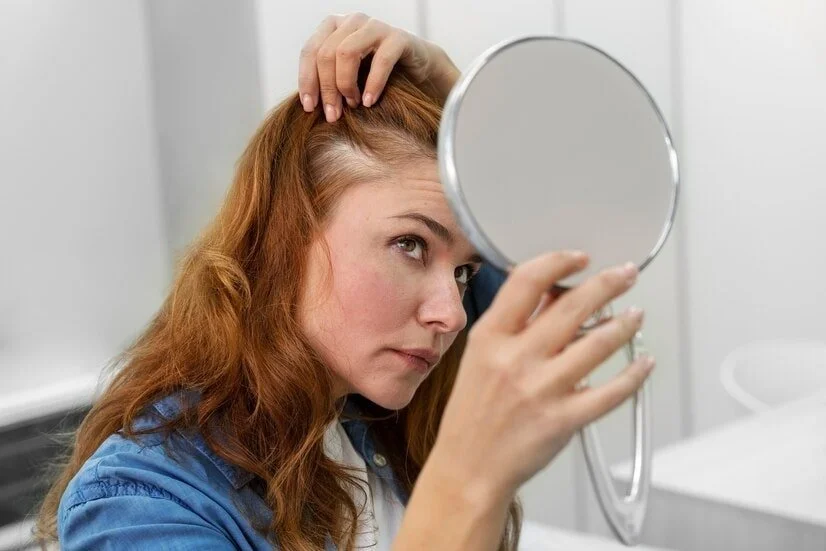
Signs that may indicate it is worth assessing the scalp include:
- persistent itching or irritation
- flaking or redness
- increased hair shedding
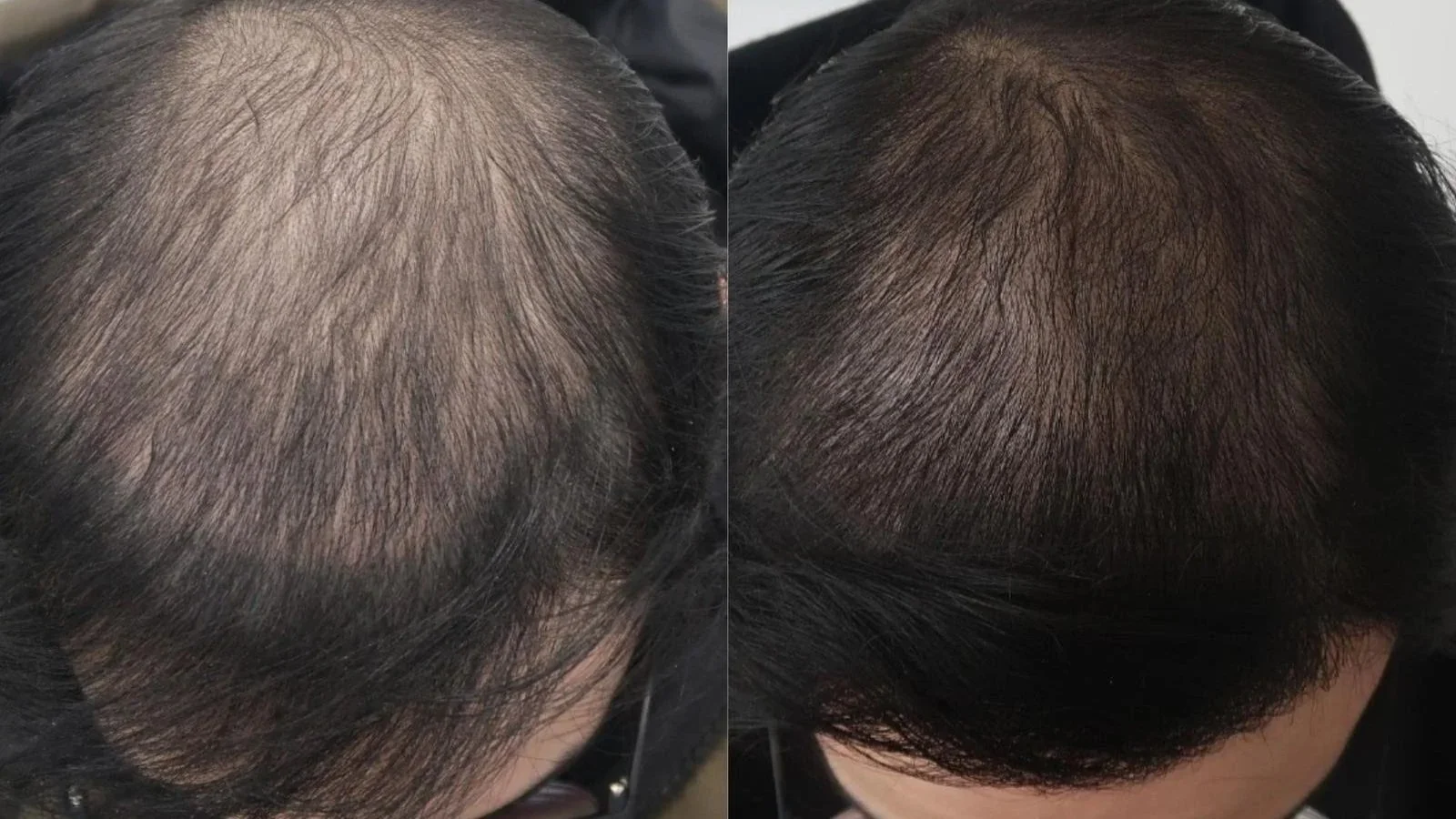
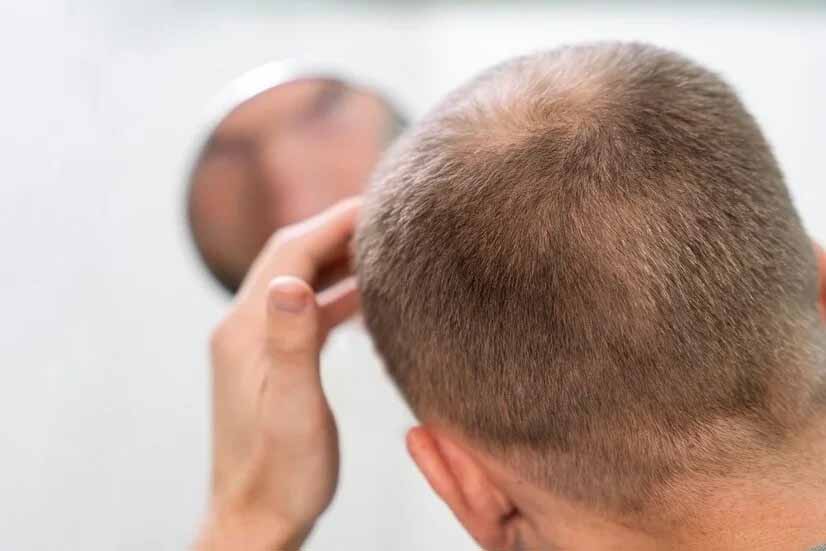
- progressive thinning
- reduced response to hair treatments
At The Hair Clinic, the goal is not simply to offer treatments but to understand the biological environment supporting hair growth. When the scalp is healthy and follicles receive the signals they need, hair restoration strategies are far more likely to perform as intended.