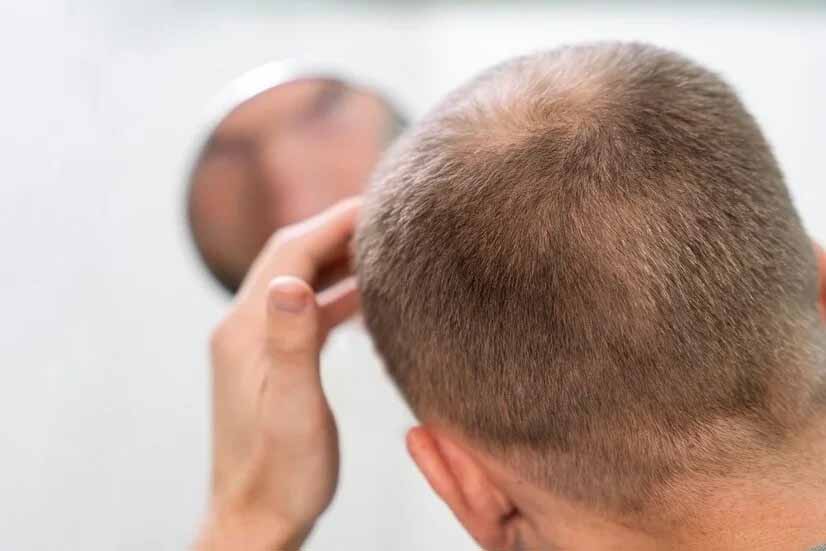
Noticing more hair in the shower drain or on your pillow can be worrying. Many people immediately assume they are going bald. In reality, hair shedding and hair loss are not always the same thing. Some shedding is a normal part of the hair growth cycle, while other patterns may signal an underlying condition that needs attention.
Understanding the difference can help you decide when it may be time to seek professional assessment.
Understanding the Hair Growth Cycle
Every hair follicle goes through a natural cycle of growth, rest and shedding. At any given time, thousands of follicles on the scalp are at different stages of this cycle.
There are three main phases:
Anagen (growth phase)
This is the active growth stage, where hair follicles produce hair continuously. This phase can last several years.
Catagen (transition phase)
A short stage where the follicle begins to shrink and prepare for rest.
Telogen (resting phase)
During this phase, the hair is no longer growing. After a period of rest, the hair eventually sheds and a new hair begins forming beneath it.
Because this process is constantly happening across the scalp, losing some hair every day is completely normal. Most people shed between 50 and 100 hairs daily without noticing any change in density.
Seasonal shedding can also occur. Some people experience slightly increased shedding during certain times of the year as follicles transition between growth cycles.
When Shedding Becomes More Noticeable
Occasionally, something can disrupt the normal hair cycle and cause a larger number of follicles to enter the resting phase at the same time. When this happens, increased shedding may occur several months later.
This condition is known as telogen effluvium. It is one of the most common causes of sudden hair shedding.
Triggers may include:
- physical illness or surgery
- emotional stress
- rapid weight loss or nutritional changes
- certain medications
- hormonal shifts, including postpartum changes
In many cases, telogen effluvium is temporary. Once the trigger resolves, hair follicles gradually return to their normal growth cycle and shedding slows.
However, if shedding continues for an extended period or begins to affect hair density, professional assessment becomes important.
Hair Shedding vs Follicle Miniaturisation
Another important distinction is the difference between temporary shedding and progressive hair thinning.
Shedding typically involves full-length hairs falling out from the scalp. The follicles themselves remain healthy and capable of producing new hair.
Hair thinning caused by genetic hair loss works differently. In conditions such as androgenetic alopecia, the follicles slowly shrink over time in a process called miniaturisation.
As follicles miniaturise:
- new hairs grow back finer and shorter
- hair density gradually decreases
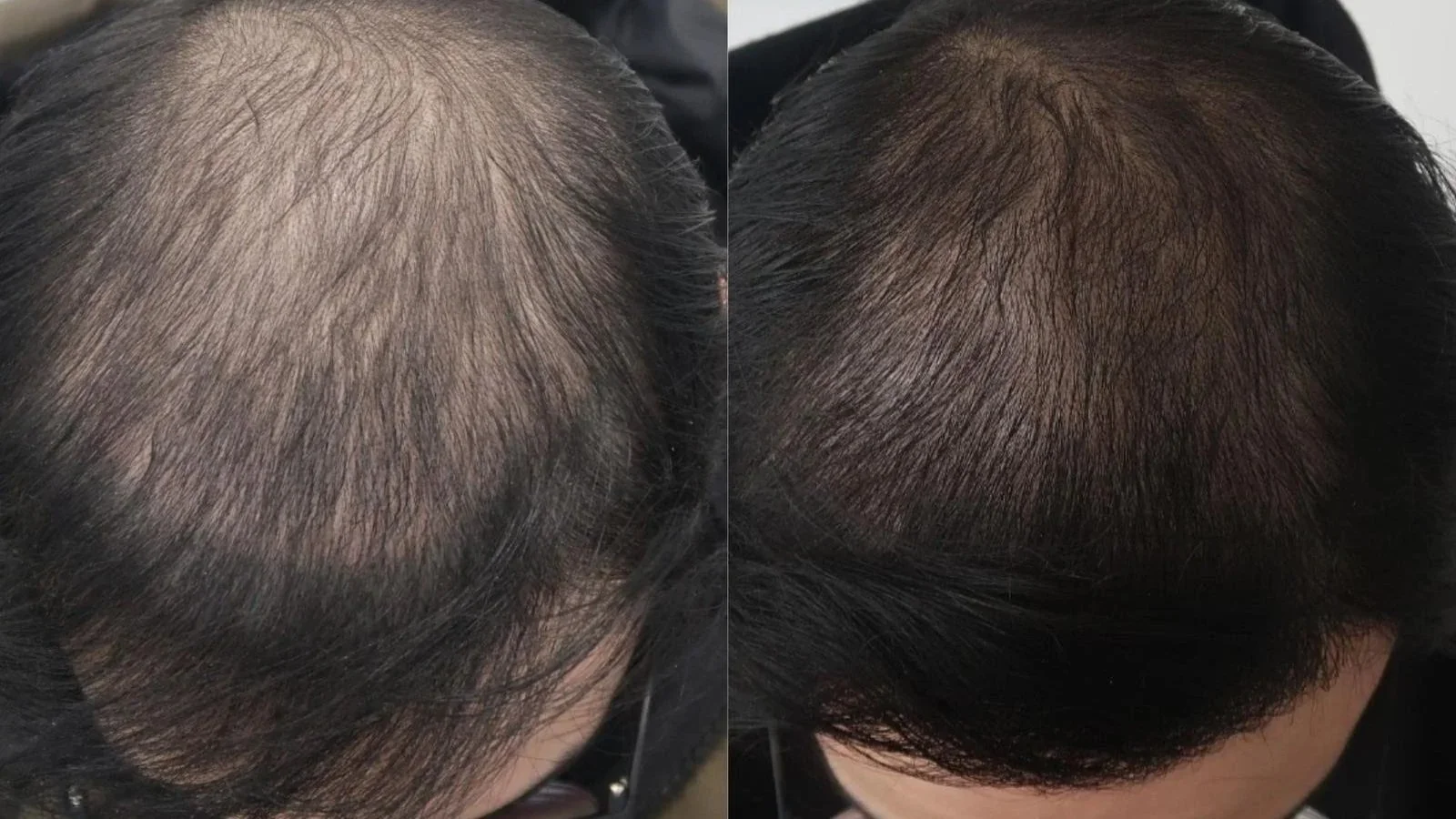
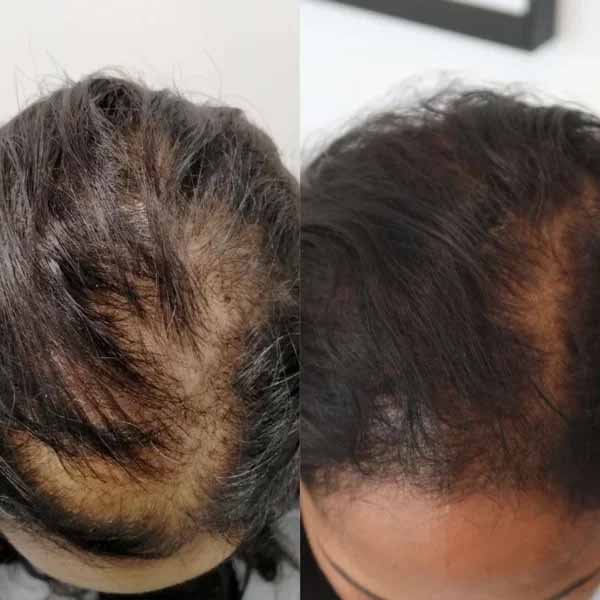
- the scalp may become more visible
Because this process occurs gradually, many people do not notice it until thinning becomes more obvious.
Understanding whether hair is shedding temporarily or thinning due to follicle miniaturisation is an important part of determining the appropriate treatment approach.
When Hair Loss May Be Progressive
Some types of hair loss are more persistent and may worsen without treatment.
One of the most common forms is androgenetic alopecia, often referred to as male or female pattern hair loss. This condition is influenced by genetics and hormones and leads to progressive thinning of susceptible follicles.
Another factor that can contribute to hair loss is scalp inflammation. Chronic irritation around hair follicles may interfere with normal growth signals and contribute to reduced density over time.
These conditions require a different management approach compared with temporary shedding.
How Clinics Identify the Difference
Because many forms of hair shedding can look similar at first glance, accurate diagnosis is essential.
At The Hair Clinic, assessment typically begins with a detailed hair loss consultation that reviews medical history, lifestyle factors and the pattern of hair changes over time.
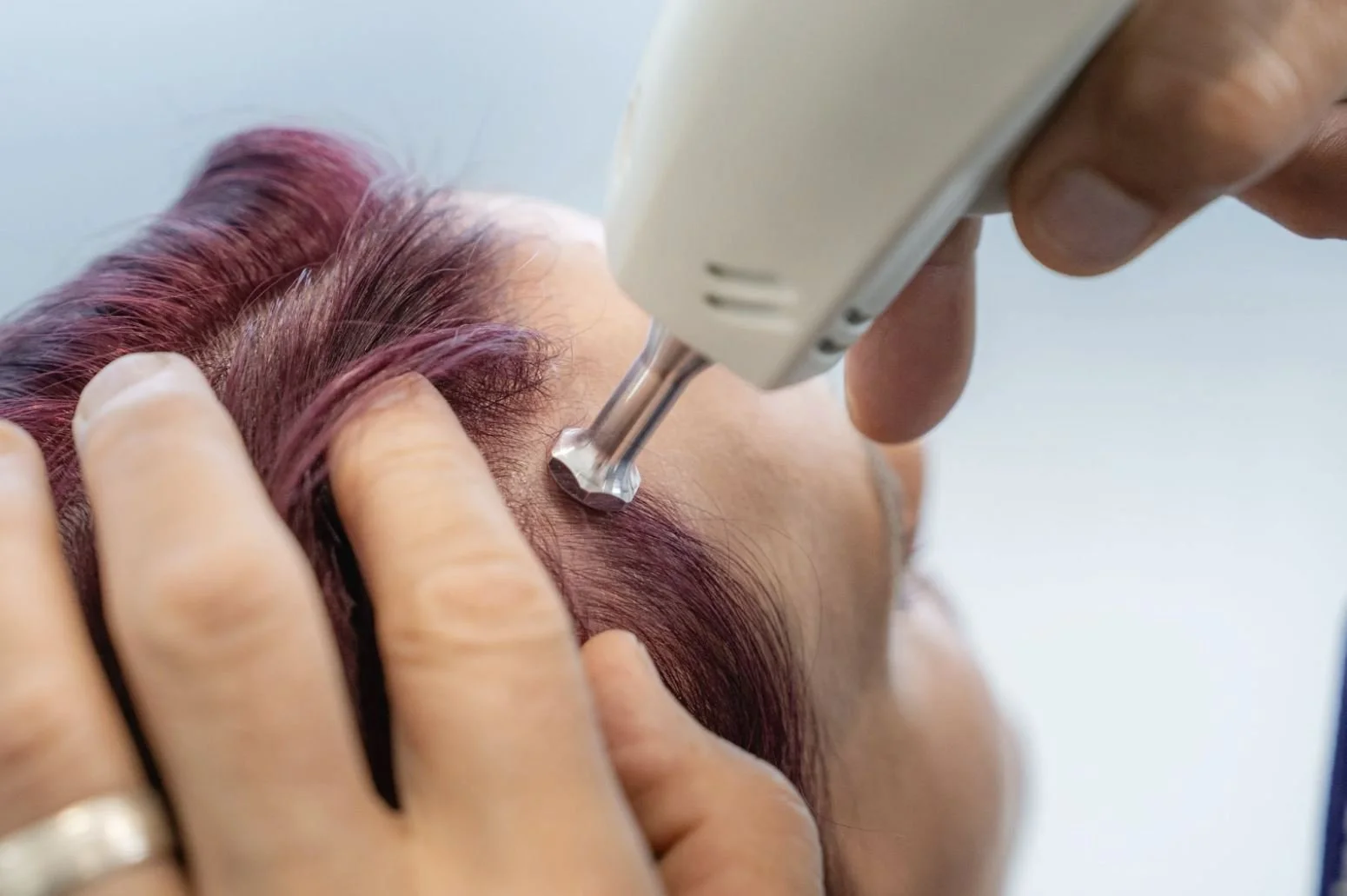
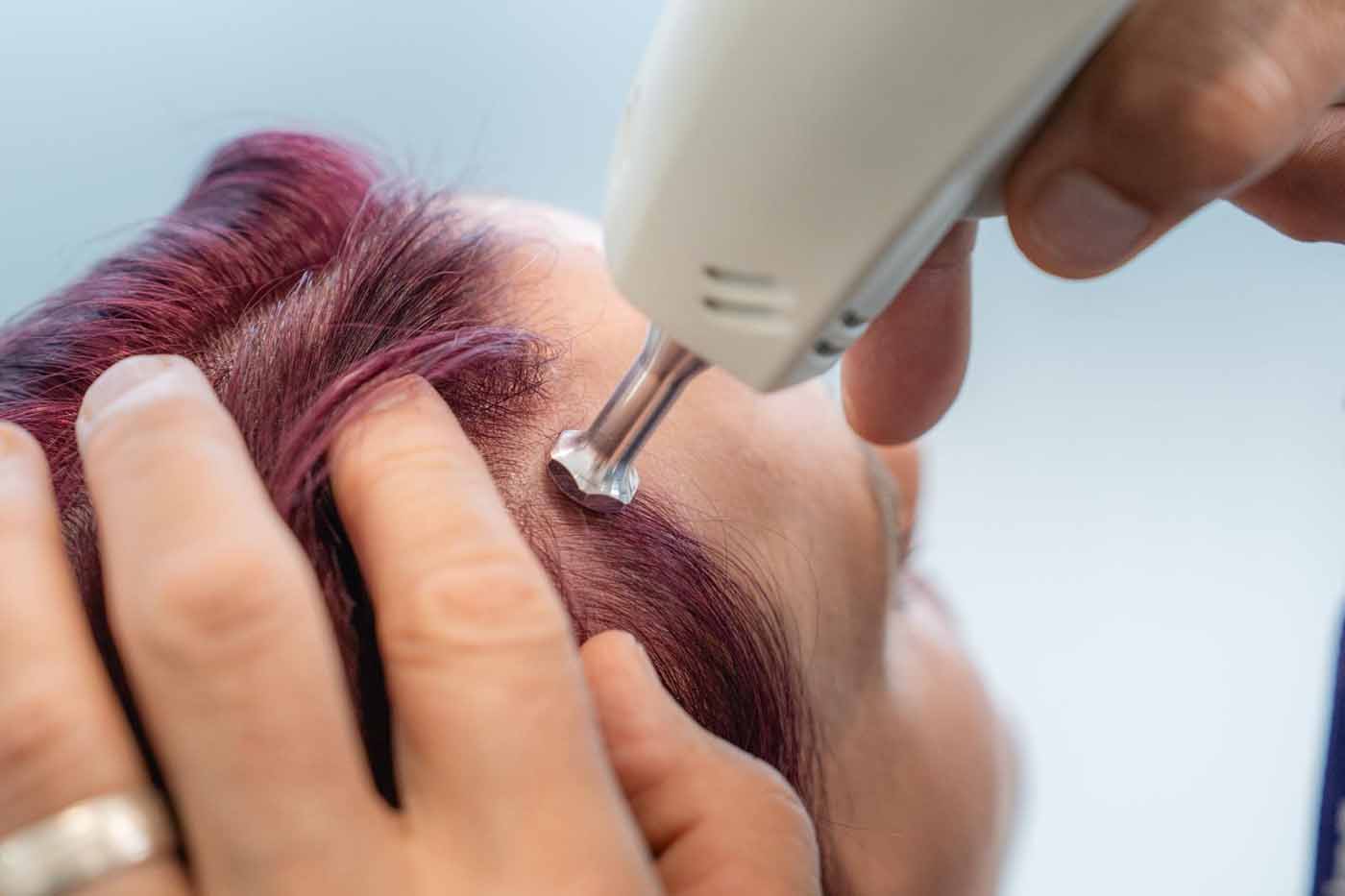
A key diagnostic tool used during assessment is dermatoscopy, a specialised magnification technique that allows practitioners to examine the scalp and hair follicles in detail. This helps identify:
- follicle miniaturisation
- inflammation around follicles
- variation in hair shaft thickness
- early signs of patterned hair loss
By analysing these indicators, clinicians can determine whether hair shedding is likely temporary or part of a progressive thinning process. This diagnostic approach ensures treatment recommendations are based on the underlying cause rather than guesswork.
Where Regenerative Hair Treatments Fit
Once the cause of hair shedding or thinning is identified, different treatment options may be considered depending on the stage and condition of the follicles.
For patients with early thinning or reduced follicle activity, regenerative therapies may help support hair growth signals within the scalp.
Treatments such as PRP hair treatment use concentrated platelets from the patient’s own blood to stimulate follicle activity and improve scalp circulation.
In some cases, advanced regenerative options like PRF hair restoration or GFC hair therapy may be recommended. These treatments contain high concentrations of growth factors designed to support follicle signalling and improve the scalp environment.
For certain inflammatory or difficult cases, exosome therapy for hair loss may also be considered as part of a comprehensive treatment plan.
At The Hair Clinic, these treatments are often recommended as a series of sessions, commonly three to six treatments, and in many cases patients choose packages of six sessions to support consistency. Hair growth cycles take time, and improvement generally occurs gradually over several months.
It is also important to understand that regenerative treatments cannot always restore hair in advanced stages of follicle loss. Some individuals may have hair loss that has progressed beyond the point where regrowth is possible.
When It May Be Time to Seek Professional Advice
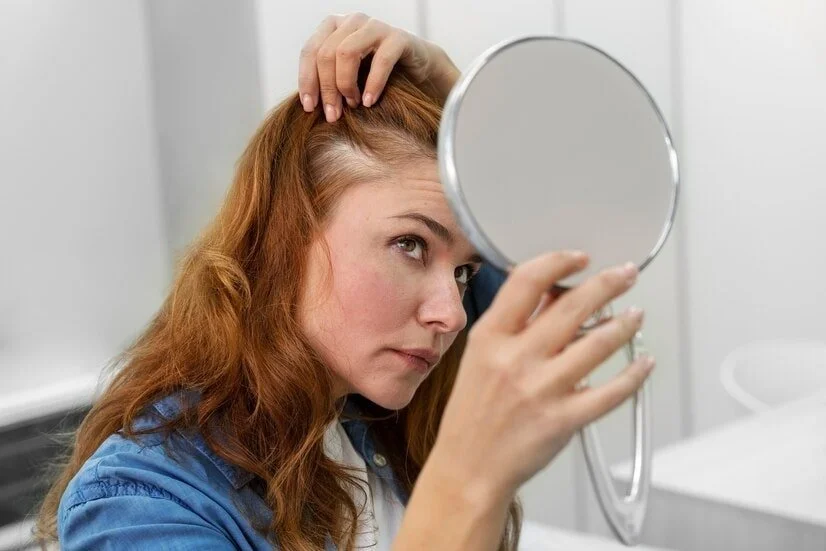
Occasional hair shedding is normal and usually not a cause for concern. However, certain signs may indicate that a professional assessment could be helpful.
These include:
- noticeable thinning over time
- widening part lines or receding hairlines
- increased shedding lasting several months
- scalp irritation or inflammation
- visible changes in hair density
If you are uncertain whether your hair shedding is normal, a diagnostic consultation can provide clarity and guide the most appropriate next steps for your hair health.