Exosome treatment is one of the most discussed areas in regenerative hair restoration, but it is also one of the least clearly explained. Patients often hear the term and assume all exosome treatments are basically the same. In reality, that is not how treatment planning works.
Two exosome pathways currently available in our programme are DP Exo-Grow® Exosomes and Exomide® Exosome Mesotherapy. They sit within the same broad regenerative category, but they are not identical in how they are positioned, delivered or integrated into treatment. Both are relevant, but they are not interchangeable by default.
What Exosome Treatment Means In Hair Restoration
Exosomes are microscopic extracellular vesicles involved in cell-to-cell signalling. In a hair restoration context, they are used because they carry proteins, peptides and signalling molecules that may help improve the scalp environment, reduce inflammatory activity and support more active follicle behaviour.
That is the broad category. The practical question is which exosome programme is being used, how it is being delivered, and what kind of patient it is meant to suit.
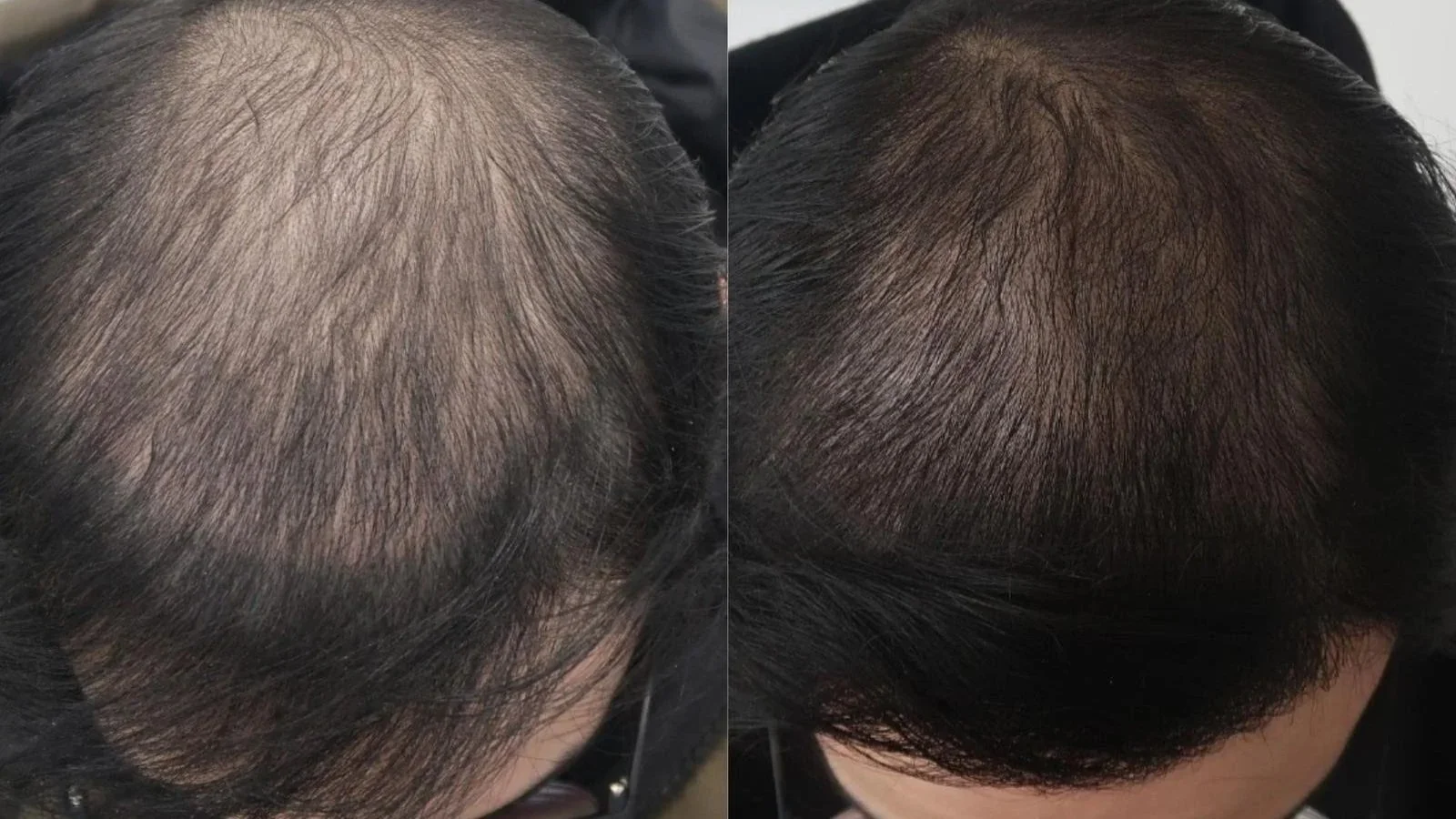
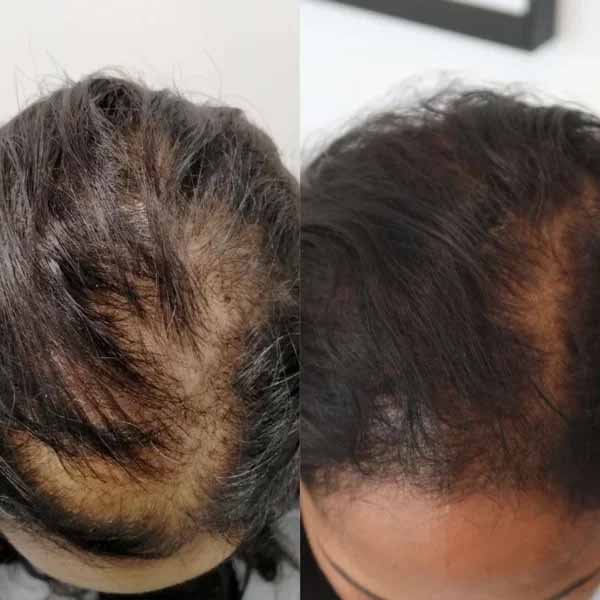
Our DP Exo-Grow® Exosomes pathway is structured as a medical-grade programme that combines in-clinic treatment with at-home support, structured timing and combination therapy oversight. Patients commonly report less shedding, improved density and healthier scalp behaviour, with many seeing visible regrowth from around 8 to 12 weeks, while results remain dependent on diagnosis and adherence.
Exomide® Exosome Mesotherapy, by comparison, is an exosome-based regenerative treatment built around growth factors, peptides, amino acids and botanical extracts, with a stronger emphasis on the formulation itself and its regenerative cargo. It is also linked directly to Alma TED as a delivery pathway, which gives it a slightly different clinical positioning.
How Exo-Grow® Is Usually Positioned
Exo-Grow® is structured as a protocol rather than a one-off treatment idea. That protocol can include:
- in-clinic sessions
- at-home tonic and conditioner
- monthly treatment for 3 to 6 months in many cases
- review at 12 weeks
- tailored maintenance thereafter
That kind of structure matters because it suggests Exo-Grow® is being used as a managed programme rather than a single intervention. It is also suitable for early to moderate androgenic alopecia, post-partum or stress-related shedding, some inflammatory scalp conditions, and support around transplant maintenance or gains from PRP hair treatment, PRF hair restoration, or GFC hair therapy.
In other words, Exo-Grow® is usually part of a layered, clinically supervised programme.
How Exomide® Is Usually Positioned
Exomide® is also regenerative, but the treatment emphasis is a little different. More weight is placed on its composition and its role as a non-invasive or minimally invasive option for hair regrowth support. It contains exosomes, amino acids, peptides and plant extracts designed to encourage follicle proliferation, tissue regeneration and a healthier scalp environment.
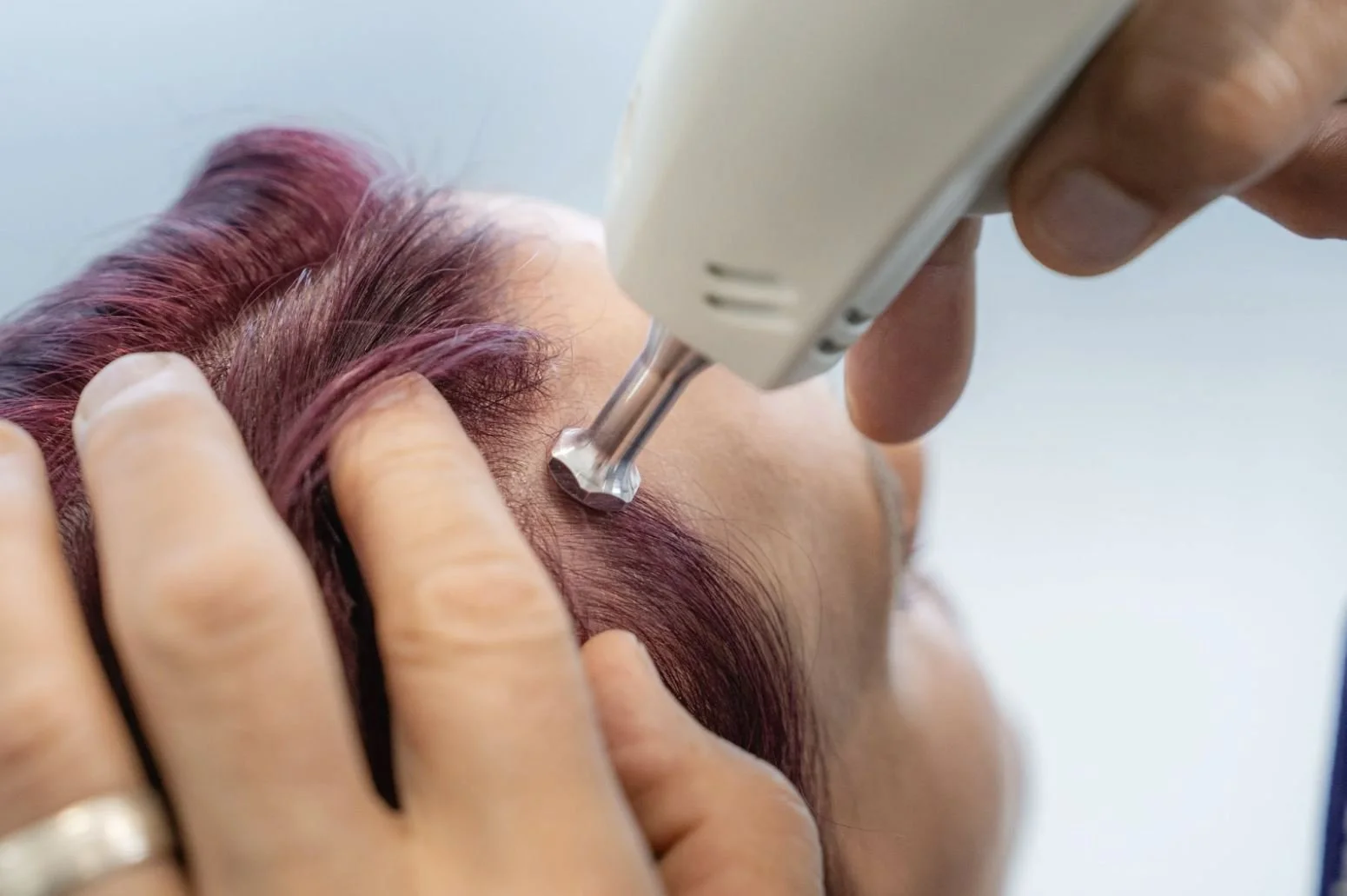
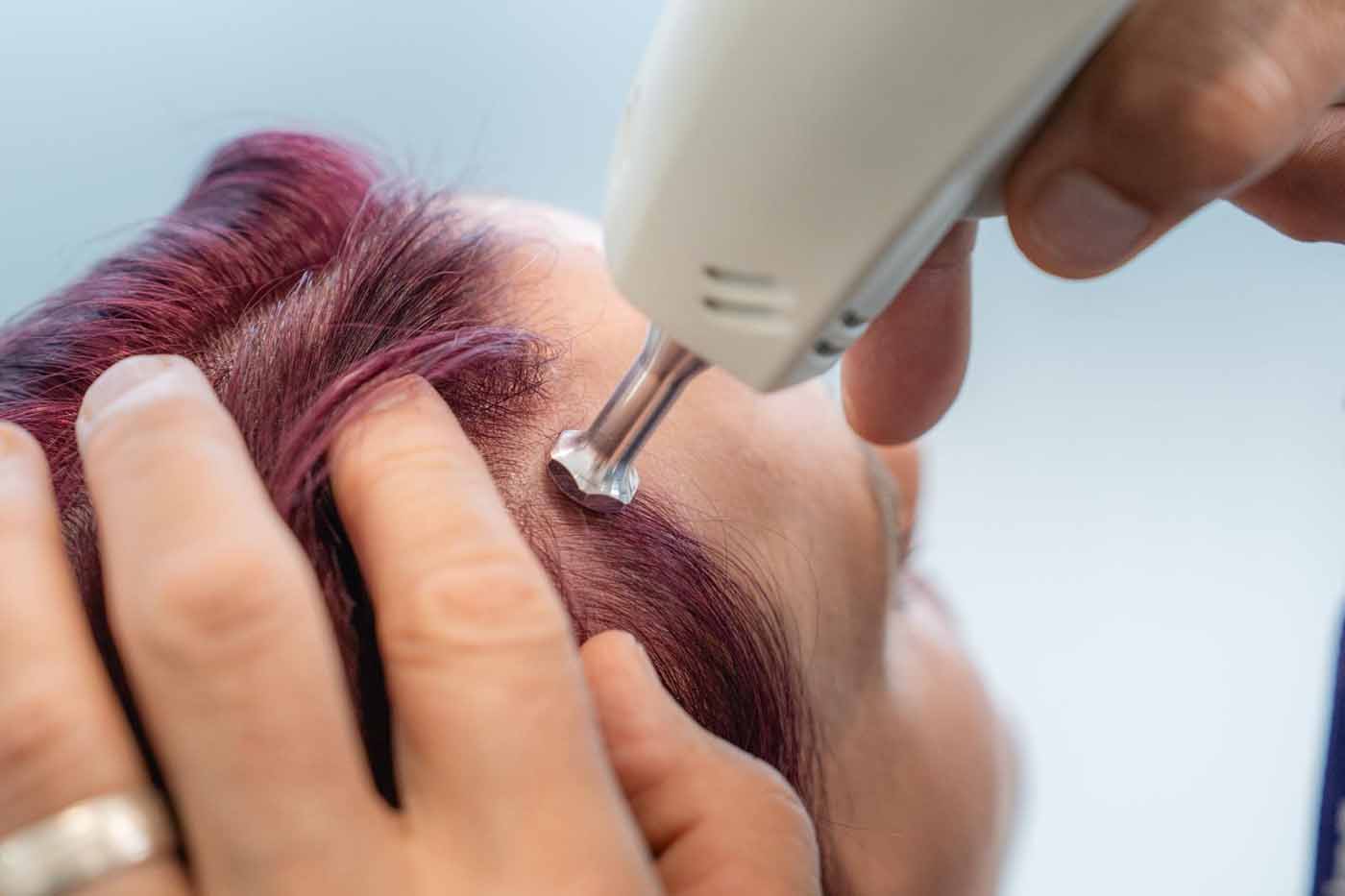
Importantly, Exomide® also links directly with Alma TED Hair Restoration, which can painlessly infuse Exomide® exosomes through ultrasound-assisted trans-epidermal delivery. That makes Exomide® particularly relevant in patients who want an exosome pathway but prefer to avoid needles where possible.
So How Do We Decide Which One To Use?
This is where treatment planning becomes more interesting than product comparison.
I would usually think about the decision in terms of:
- the cause of hair loss
- whether the scalp is inflamed or simply miniaturising
- whether the patient is better suited to a structured programme or a more device-assisted pathway
- whether adherence to at-home care is realistic
- whether injections or needle-free delivery are preferred
- what other treatments are already part of the plan
For a patient with early to moderate pattern loss who suits a structured, layered exosome protocol with home support, DP Exo-Grow® Exosomes may be the stronger fit. For a patient who is more focused on a non-invasive exosome delivery pathway and is interested in ultrasound-assisted treatment, Exomide® through Alma TED Hair Restoration may be more appropriate.
Where PRP, PRF And GFC Still Fit
Exosomes do not remove the need for other regenerative options. They sit alongside them.
That is why patients comparing Exomide® and Exo-Grow® still need to understand how exosomes differ from:
- PRP hair treatment, which uses the patient’s own platelet-derived growth factors
- PRF hair restoration, which provides slower-release fibrin-based regenerative support
- GFC hair therapy, which concentrates isolated growth factors in a closed sterile system
Exosomes are regenerative signalling treatments. They are not automatically stronger, weaker or better. They are simply different.
Why “Advanced” Does Not Mean Guaranteed
This point matters in every modern hair treatment discussion.
Exosome therapy sounds advanced because it is advanced. But advanced treatments still depend on:
- follicle viability
- scalp health
- stage of loss
- hormonal drivers
- inflammation
- adherence
- proper diagnosis
Results vary according to pattern of loss, baseline inflammation, hormones, nutrition, medications and treatment adherence. That same caution applies to Exomide®. Regenerative medicine can support hair growth biology, but it does not bypass biology.
Why Assessment Matters Before Choosing An Exosome Pathway
This is the part I would not skip.
Before recommending Exomide® or Exo-Grow®, I would want to know:
- is this pattern thinning, stress shedding or inflammatory loss?
- are the follicles still viable?
- is the patient better suited to an exosome treatment, a platelet-based treatment, or a combined plan?
- is a device-based delivery system like Alma TED relevant here?
- what is the realistic treatment timeline?
That is why the most sensible starting point is a proper online hair growth consultation rather than choosing an exosome product first. The treatment should follow the diagnosis, not the other way around.
Patients who want a broader context for regenerative comparison may also find our published blog Regenera Activa®: A New Era Of Hair Restoration helpful, as it shows how different advanced regenerative technologies can sit in the same landscape without doing the same job.
Understanding The Difference Properly
Exomide® and Exo-Grow® both belong to the exosome category, but they are used differently enough that the choice should be deliberate. Exo-Grow® is more clearly structured as a managed programme with home support and combination planning. Exomide® is more closely tied to its formulation profile and its compatibility with needle-free delivery through Alma TED.
Neither should be treated as a trend treatment. The right choice comes down to diagnosis, delivery strategy, patient preference and what the scalp actually needs.
That is the point where comparison becomes useful. Before that, it is just branding.